In a first step we tried to obtain new pyrrolophenanthroline derivatives. All of this in order to obtain new compounds with antimicrobial and / or anticancer activity.
Phenanthrolines are versatile moieties which have found use in many applications due to a wide variety of interesting properties (complexation, luminescence, biological activities, semiconductors). These polycyclic compounds are also naturally occurring in morphine alkaloids, sterols or hormones, which makes the phenanthroline sca old an excellent choice in the generation of unique bioactive compounds.
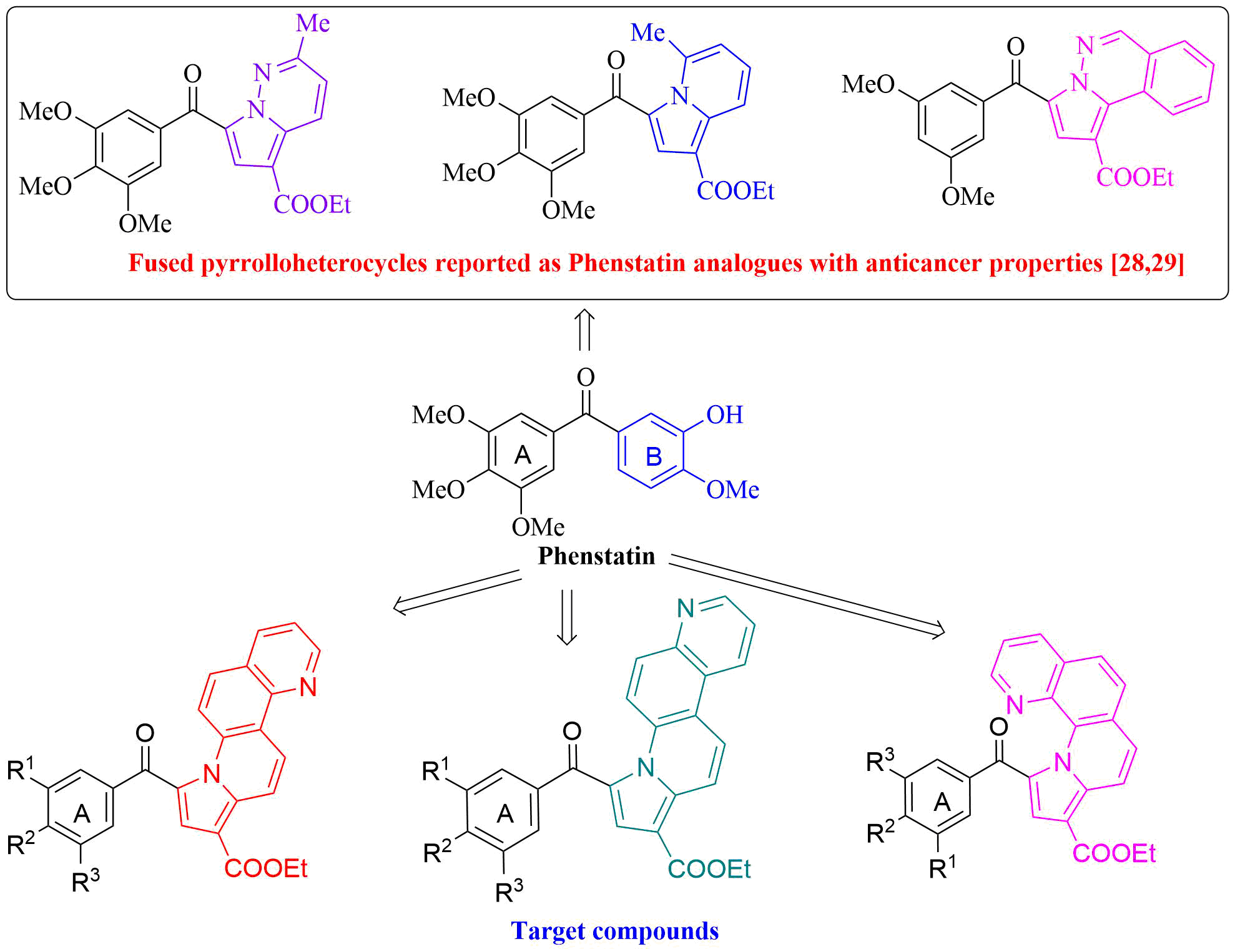
Encouraged by these considerations and especially by the cytotoxic properties of the reported fused phenathrolines, we designed a new series of phenstatin analogues by replacing the 3-hydroxy-4-methoxyphenyl ring of phenstatin (ring B) with three different classes of substituted pyrrolophenanthrolines (Figure 1).
Compounds 5a-d were successfully synthesized using a two-step procedure starting from 1,7-phenanthroline 1. The first step comprises the formation of monoquaternary 1,7-phenanthrolin-7-ium salts 3a-d by the nucleophilic substitution of phenanthroline 1 to 2-bromoacetophenones 2a-d.
The second step consisted in the in situ generation of the cycloimmoniumylides 4a-d, from the corresponding salts 3a-d under triethylamine treatment. The in situ formed ylides acted as 1,3-dipoles when reacted with ethyl propiolate via a Huisgen 3+2 cycloaddition forming the unstable intermediates 5’a-d which suffer an aromatization process under reaction conditions, leading to the target compounds 5a-d in 50-88% yields (Scheme 1).
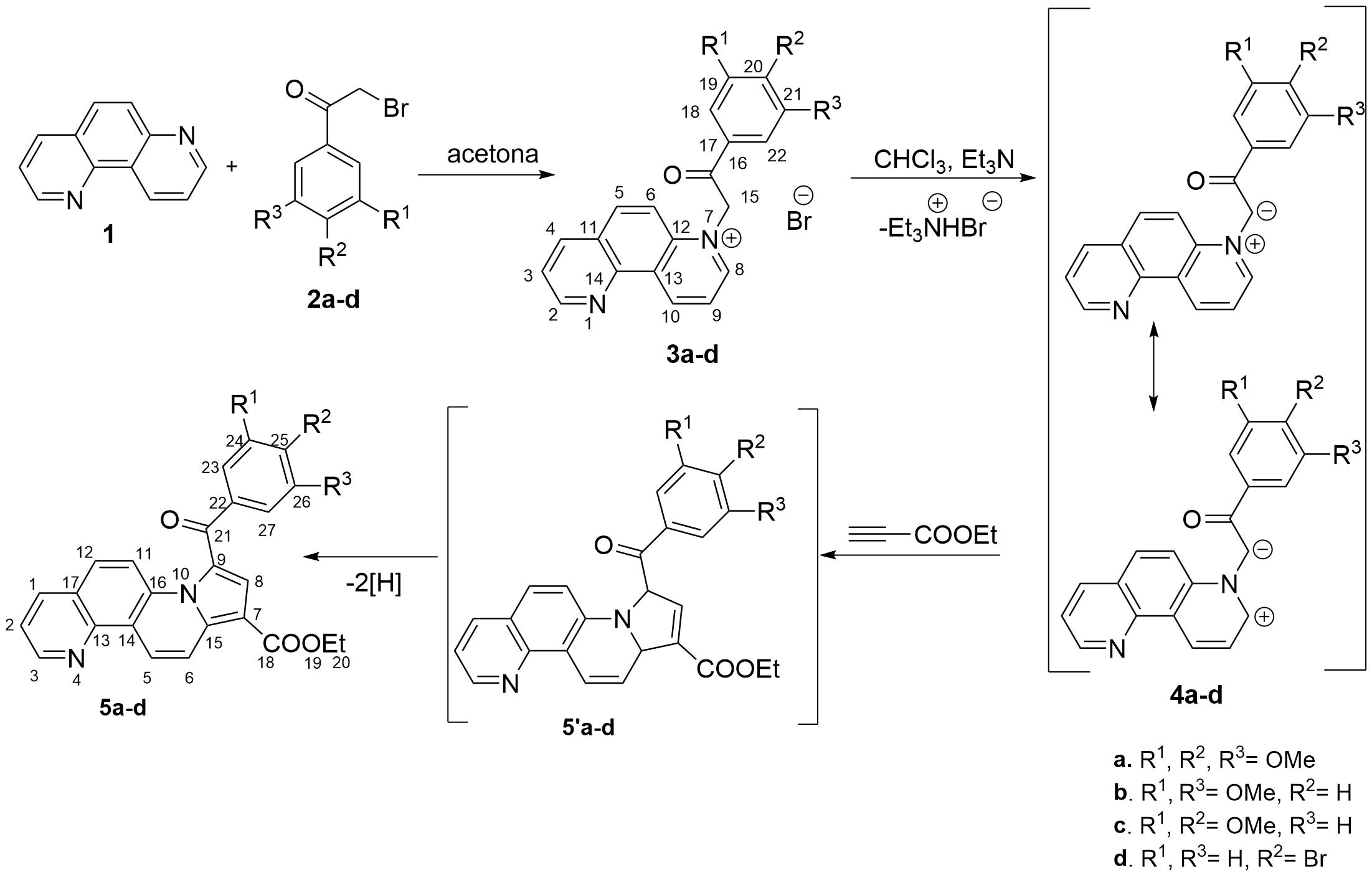
Scheme 1. Synthesis pathway for the fused pyrrolo[1,2-i][1,7]phenanthroline 5a-d.
We employed a similar strategy in the synthesis of pyrrolo[2,1-c][4,7]phenanthrolines 8a-d and pyrrolo[1,2-a][1,10]phenanthrolines 11a-d, by reacting phenanthrolinium monoylides with ethyl propiolate (Scheme 2).

Scheme 2.Synthesis pathways for the fused pyrrolo[2,1-c][4,7]phenanthroline 8a-d and pyrrolo[1,2-a][1,10]phenanthroline 11a-d.
Compounds 5a-d, 8a-d and 11a-d were submitted on the National Cancer Institute (NCI, USA) and four compounds were selected for evaluation of their antiproliferative activity against their panel of 60 human cancer cell lines.
The four compounds 5c, 8a, 8b and 11c selected by NCI were first tested at a single high dose (10-5 M) in the full 60-cell panel.
In the second step, we decided to develop an efficient and general method for preparation of our azaheterocycles derivatives using MW irradiation and, to evaluate their anticancer and antimycobacterial activity.
The compounds pyrroloheterocycle were successfully synthesized using the reactions of phenanthrolinium ylides, quinolinium ylides, isoquinolinium ylides and phthalazinium ylides (generated in situ in the presence of triehtylamine (TEA) from the corresponding salts) with ethyl cyanoformate, under conventional TH conditions. (Scheme 3 and Scheme 4)
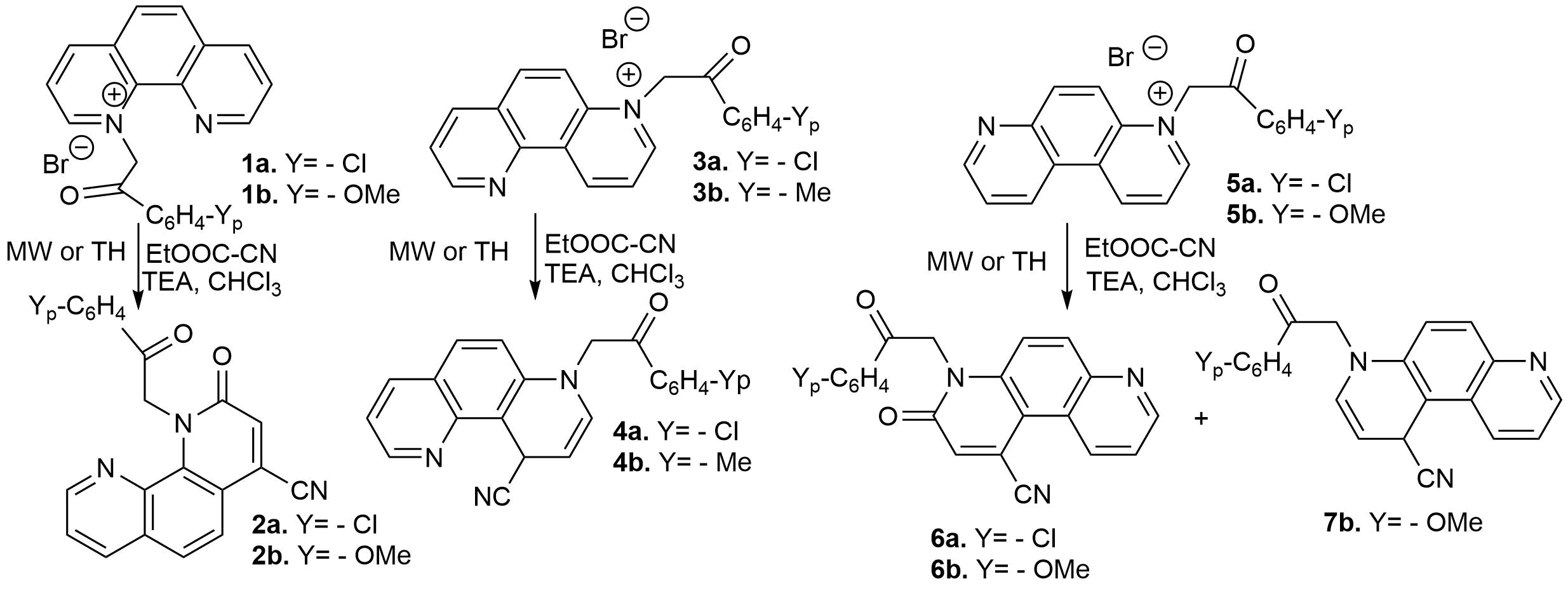
Scheme 3. Reactions of phenanthrolinium ylides with ethyl cyanoformate.
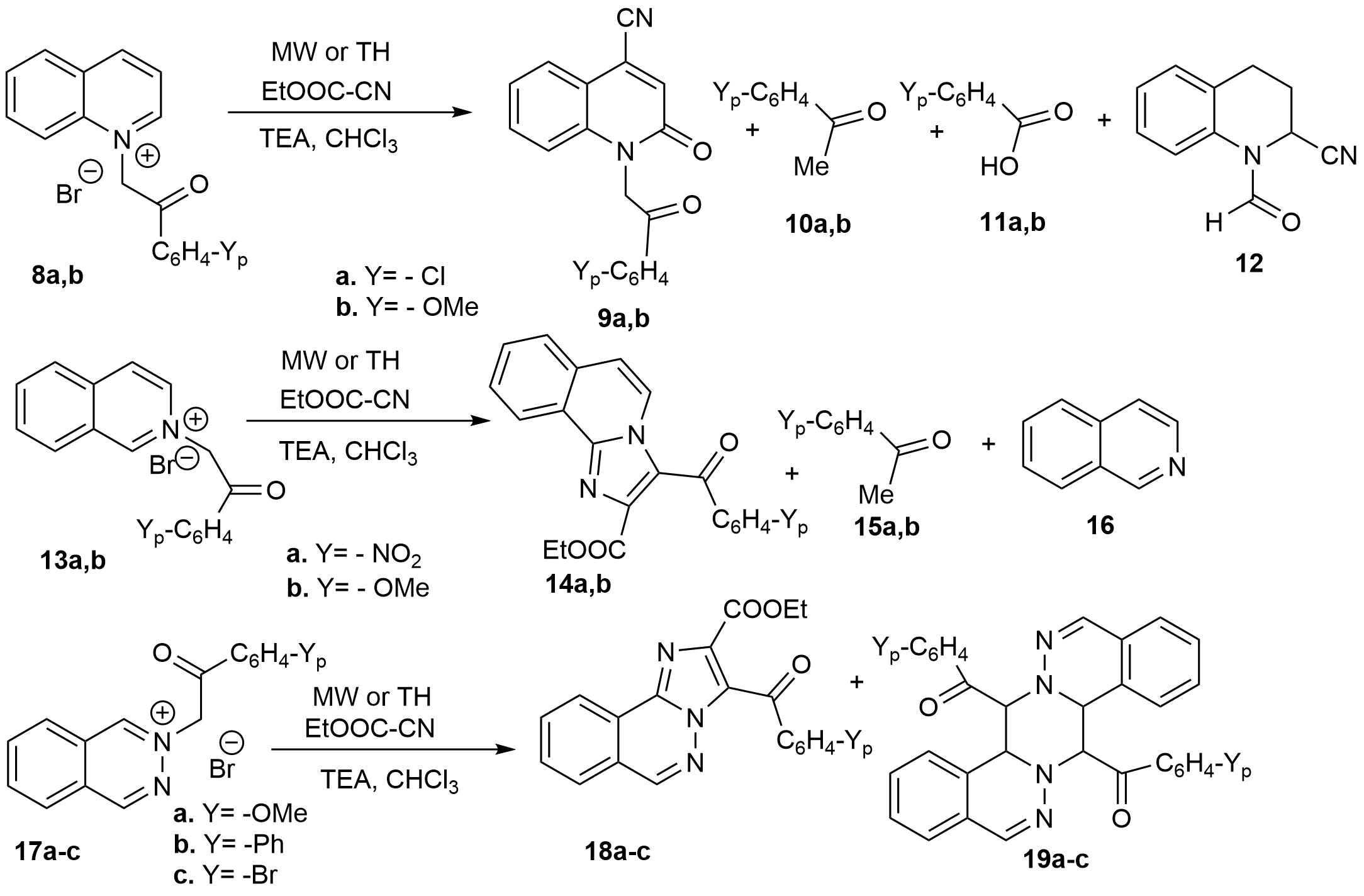
Scheme 4.Reactions of quinolinium ylides, isoquinolinium ylides and phthalazinium ylides with ethyl cyanoformate.
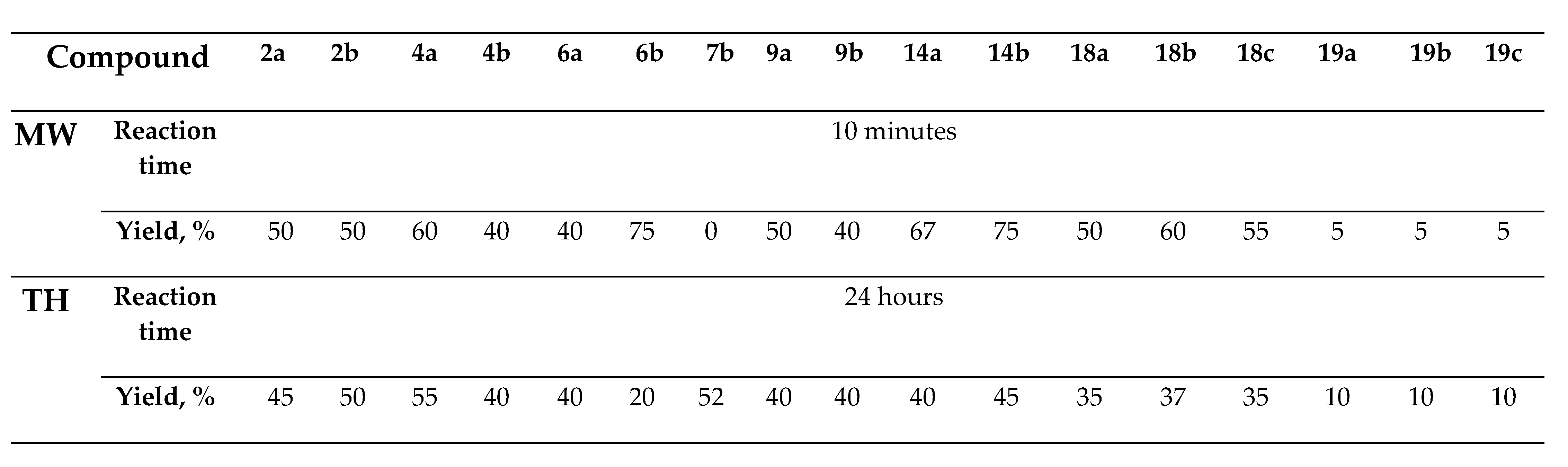
As an alternative route of this synthetic approach, we decide to study the reaction of these six member ring azaheterocycles with ethyl cyanoformate under microwave irradiation, using a monomode reactor Monowave 300 (Anton Paar, Graz, Austria). This reactor is equipped with a stirring system (0 to 1200 rpm) and can reach up to 300 °C, with temperature control. The reactions take place in a closed vessel, at 30 bars maximum pressure. The optimal reaction conditions were found to be at 130 °C, 5.5–6 bars, Table 1.
Table 1. The optimized reaction conditions employed under microwave irradiation and conventional thermal heating.
In the final step, we investigate the biological activity, anticancer and antimycobacterial, of some of the new obtained compounds. In order to test the anticancer activity of compounds, we submitted all new obtained compounds on the platform of National Cancer Institute (NCI, USA) for the preliminary selection in order to test them on their 60 human tumor cell line panel. Seven compounds (2b, 4a, 6b, 14a, 18a, 18b, 18c) have been selected and tested for the anticancer activity by NCI, under the Developmental Therapeutics Program (DTP).
The structures of all new compounds were proven unambiguously by elemental and spectral analysis (IR, 1H NMR, 13C NMR, two-dimensional experiments 2D-COSY, 2D-HETCOR (HMQC), long-range 2D-HETCOR (HMBC).
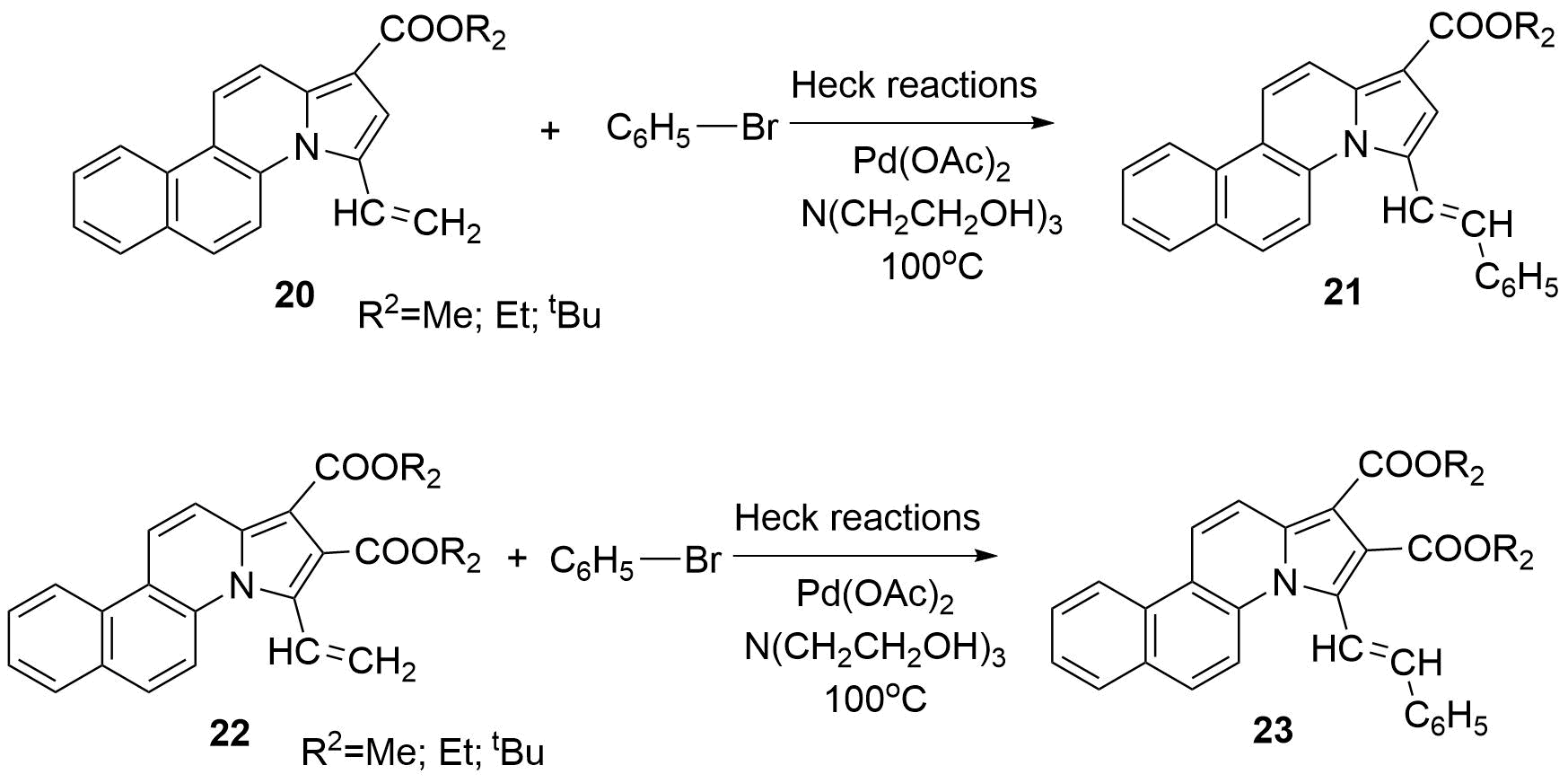
III.1. Synthesis of new tetra- penta- and hexacyclic azasteroids by Heck, Suzuki and Sonogashira cross coupling reactions.
The Heck reactions were performed by using an adaptation from the literature procedure as follows:
The cross-coupling reactions were performed by using an adaptation from the literature procedure as follows:
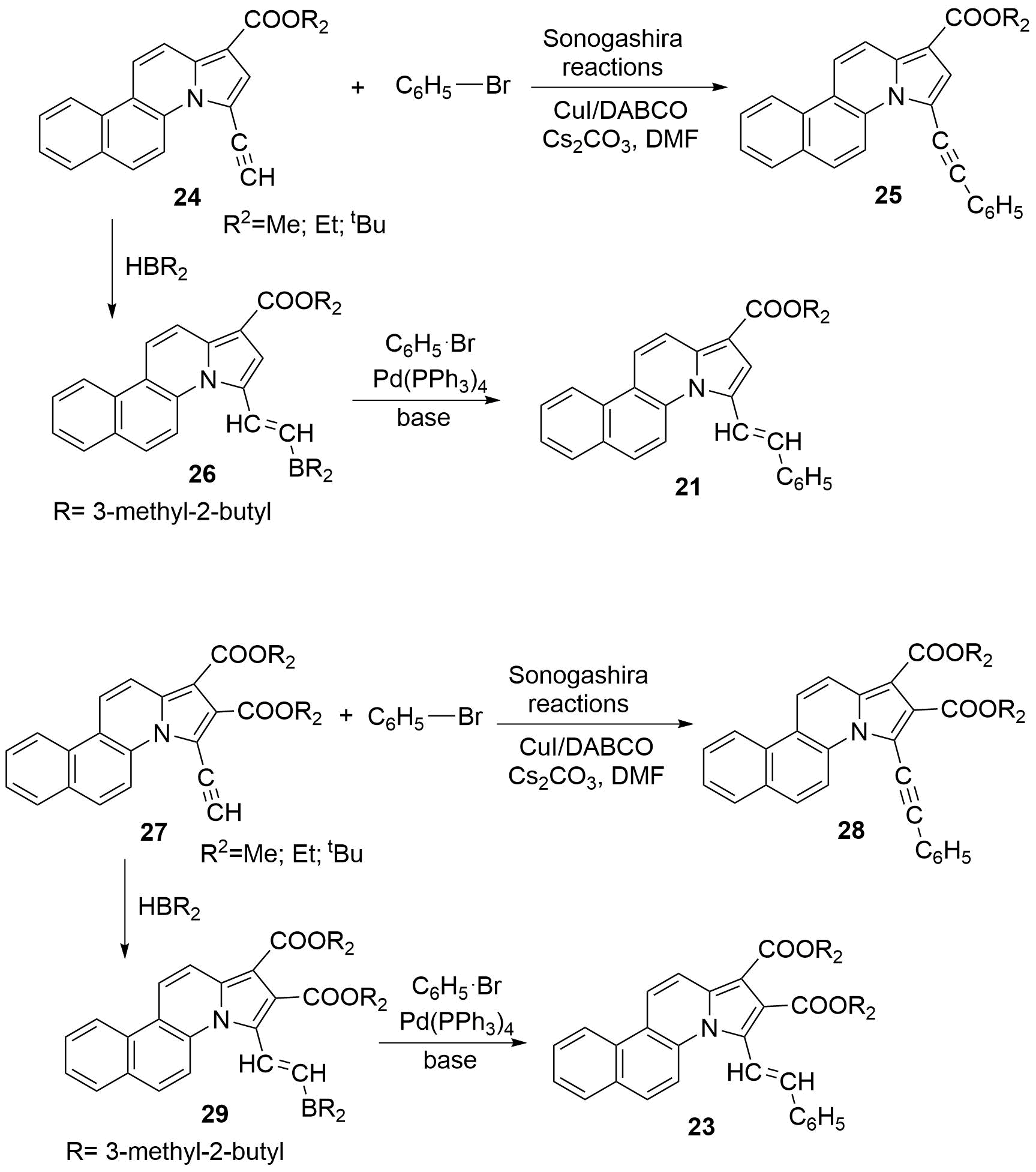
All the azasteroid derivatives were obtained, under conventional heating conditions, with good yields (between 55 and 65 %).
III.2. Biologically active evaluation of the newly obtained compounds
All new azasteroid derivatives have been submitted on the platform of National Cancer Institute (NCI, USA) for the preliminary selection in order to test them on their 60 human tumor cell line panel. Some of the compounds have been selected and tested for the anticancer activity by NCI. All of this justifies the interest in synthesizing of these azasteroid derivatives. The detailed results will be presented after publication in specialized journals.
III.3. The results obtained were organized to be published in paper as following:
2 papers published in scientific journals:
- Al Matarneh, C.M.; Amarandi, R.M.; Craciun, A.M.; Mangalagiu, I.I.; Zbancioc, G.; Danac, R.: Design, Synthesis, Molecular Modelling and Anticancer Activities of New Fused Phenanthrolines, Molecules, 25(3), 527, 2020. DOI: 10.3390/molecules25030527. (Impact Factor 3.267)
- Al Matarneh, C.; Ciobanu, I.C.; Mangalagiu,V.; Zbancioc, G.; Danac, R.: Microwave Assisted Synthesis of Six Member Ring Azaheterocycles with Antimycobacterial and Anticancer Activity, Rev. Chim. (Bucharest), 71(3), 287-293, 2020. (Impact Factor 1.755)
From the above it follows that all the objectives proposed for this stage were fulfilled in a proportion of 100%.
Project manager,
Associate professor PhD Gheorghita Zbancioc