In a first step we tried to obtain new halogenated derivatives with pyrrolodiazine skeleton and with high reactivity in order to be able to use them later in the quaternization reactions with benzo[f]quinoline. All of this in order to obtain new compounds with antimicrobial and / or anticancer activity.
The interest in the field of pyrrolodiazine derivatives arises also from their highly efficient blue fluorescence emission.
Pyrrolodiazines offer very interesting optical properties. Azaindolizines derivatives represent such a class (with 10 π-electron N-fused heterocycle, containing a bridgehead nitrogen atom shared by an electron-excessive pyrrole and a diazine electron deficient six-membered ring) being a ‘pure’ blue-emitting moiety. This uneven π-electron distribution between the two fused rings is an important feature that leads to electron delocalization. The electron delocalization within the entire heterocycle skeleton can be possible without a planar geometry of the indolizine. The planarity of azaindolizine is provided by the sp2 hybridization of all the atoms in the fused ring, and is preserved upon substitution with different groups.
The general approach adopted for the synthesis of fluorescent pyrrolodiazine derivatives is depicted in Scheme 1. As shown bellow, the preparation of all pyrrolodiazine derivatives, 7-11, involves two steps: initially N-alkylation of the diazine (pyridazine – PY or phthalazine – PH) with bromoacetone 3 followed by a 3+2 dipolar cycloaddition of diazinium ylides 6 (generated in situ in the presence of triehtylamine – TEA) from the corresponding salts to the corresponding dipolarophiles (dimethyl acetylenedicarboxylate – DMAD or methyl propiolate). Bromoacetone was synthesized, in a preliminary step, by the reaction of acetone with bromine in acetic acid as catalyst.
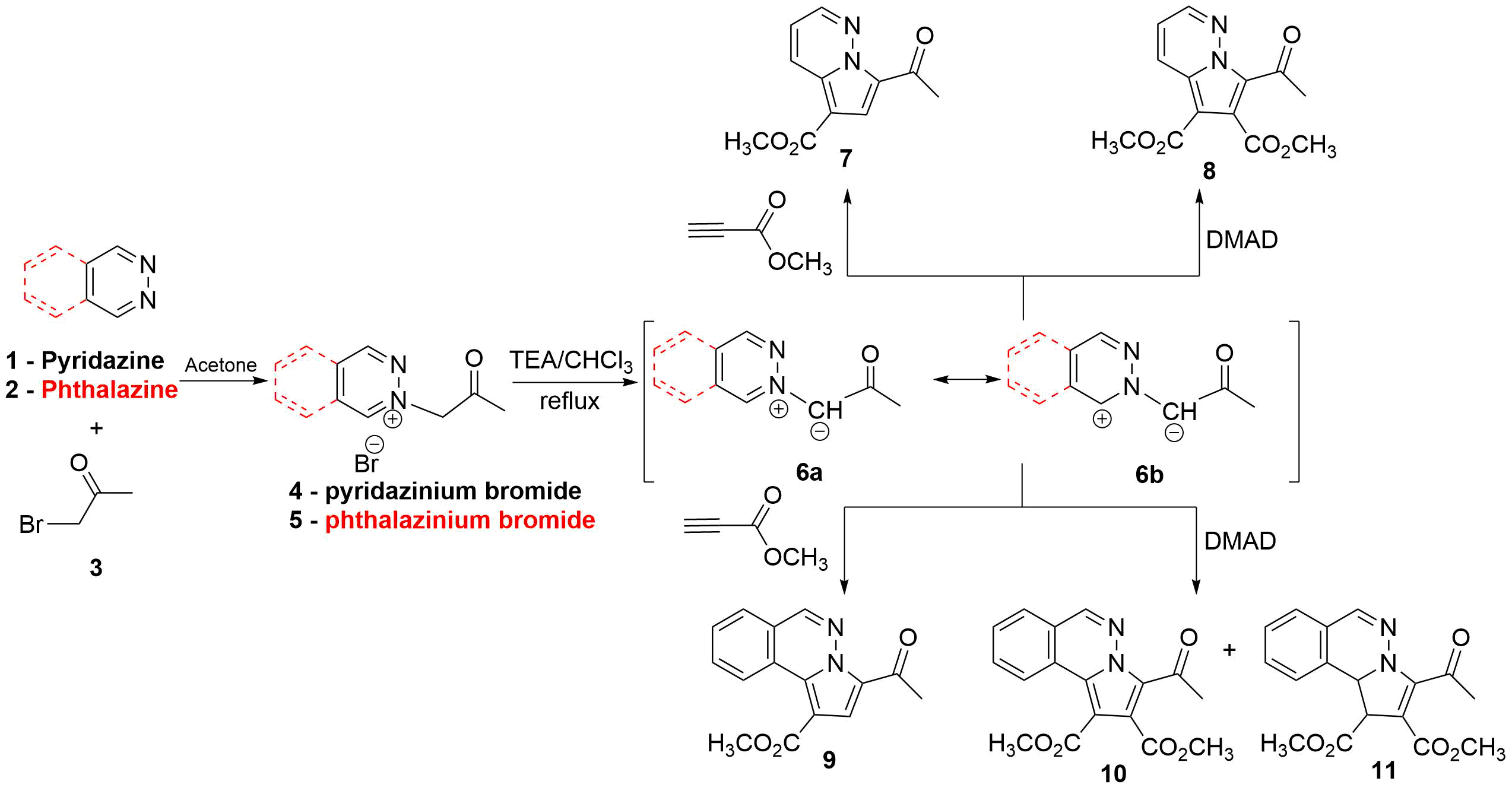
Scheme 1. Reaction pathway to generate pyrrolodiazine derivatives
In the current work, we performed the reactions in refluxing chloroform, and chloroform solution of TEA was added dropwise at the beginning of the reaction. After 6 hours of reflux the reaction was stopped and the products were isolated from the reaction mixture. In the case of pyridazine we obtained only the fully aromatized compounds 7 and 8. For phthalazine, the reaction with methyl propiolate yields the fully aromatized compounds 9, while the reaction with DMAD gives a mixture of partial and fully aromatized compounds (11 and 10 respectively). All cycloadducts were obtained in moderate to good yield (74 to 81% see Table 1). The results obtained by us in this study are in quantitative agreement with those published in the literature, including on the geometry of the hydrogenated cycloadduct 11. We note, however, beside the high energy consumption, the long reaction time (360 min) as major disadvantage of the synthesis carried out under conventional conditions.
As an alternative route we have performed the synthesis of the azaindolizine derivatives under MW irradiation, using a monomode reactor Monowave 300 (Anton Paar, Graz, Austria). This reactor is equipped with a stirring system (0 to 1200 rpm) and can reach up to 300 °C, with temperature control. The reactions take place in a closed vessel, at 30 bars maximum pressure. The optimal reaction conditions were found to be at 155 °C, 16–17 bars, and are summarized in Table 1, compared to the corresponding parameters used in thermal heating (TH) conditions.
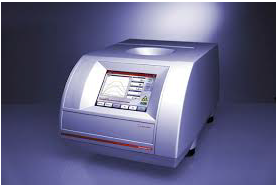
Figure 1. Monomod laboratory reactor Monowave 300 (Anton Paar, Graz, Austria)
Table 1. The synthesis of pyrrolodiazine derivatives under MW irradiation and conventional TH.
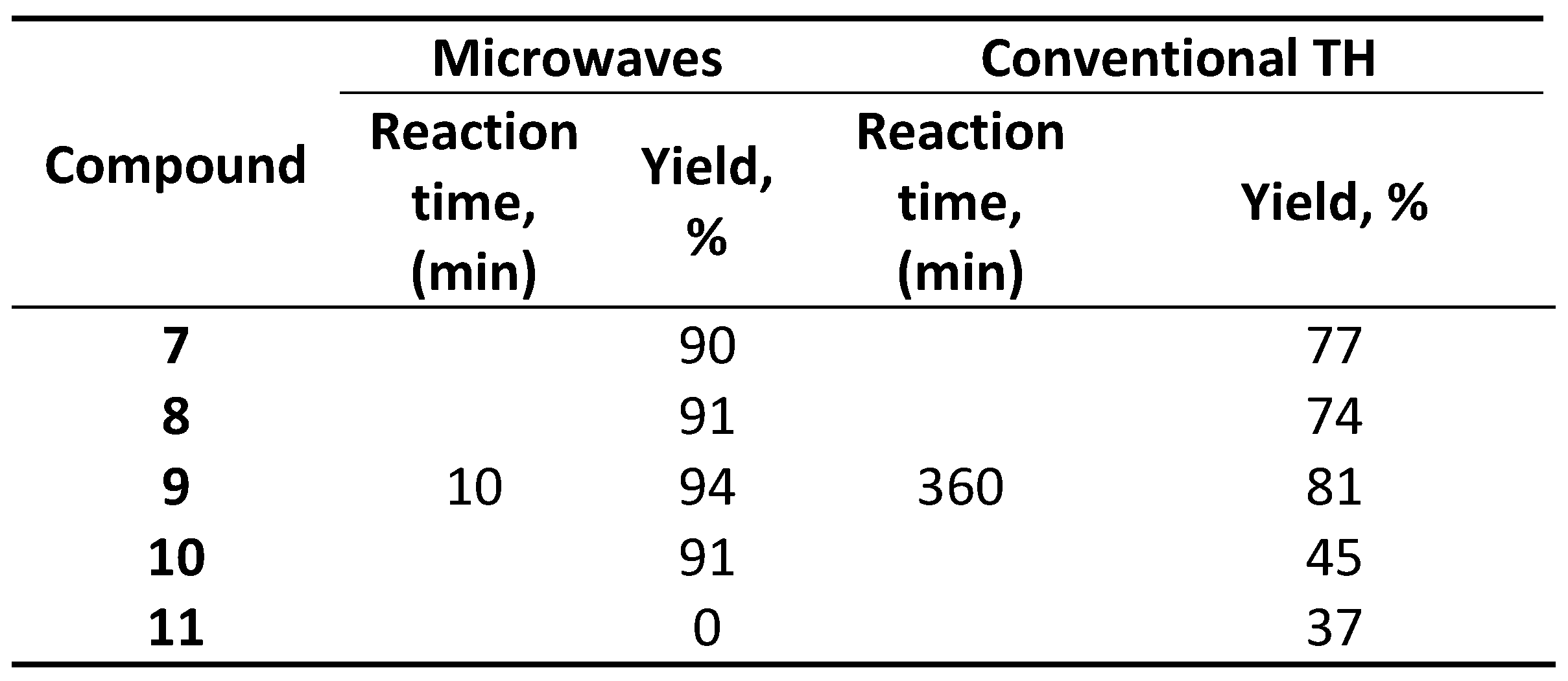
As indicated in Table 1, under MW irradiation the reaction times decrease substantially from 6 hours to 10 min whereas the solvent amounts used in the former were at least five times lower than the corresponding quantities used under conventional conditions (see Experimental). That qualifies the former reactions as environmentally friendly. We may also notice that under MW irradiation the yields were higher (by 10 to 15%). In the case of the reaction of phthalazinium bromide with DMAD, under microwave irradiation, we isolated only fully aromatized cycloadduct 10 with > 91% yield.
Photophysical properties of the synthetized pyrrolodiazines were investigated using diluted solutions (less than 10-5 mol/L) prepared in cyclohexane and dichloromethane respectively. The dilution of each solution was adjusted thus the absorbances, measured at 360, 320 and 370 nm and reported on a 10 mm cuvette, to fit in 0.02-0.20 units range.
The optical absorption and emission maxima with corresponding quantum yield of the pyrrolodiazine derivatives in cyclohexane and dichloromethane, are summarized in Table 2.
Table 2. λmax (nm) of absorption spectra, λmax (nm) of emission spectra, and relative quantum yields (%) of compounds 7 – 11.
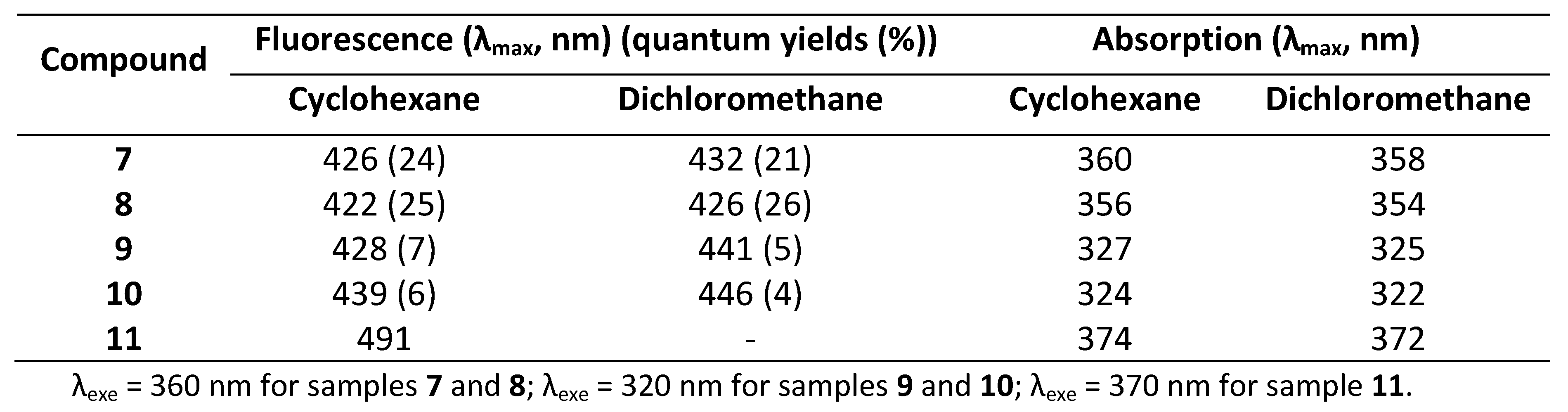
Table 2 shows that the compounds 7 and 8 are moderate blue emitters (λmax of fluorescence around 420–430 nm, with quantum yields around 25%), compounds 9 and 10 are still blue emitters (λmax of fluorescence around 425–440 nm, with lower quantum yields – around 5%), while for compound 11, the fluorescence intensity is negligible and the emission is substantially red shifted, with a maximum of the emission band (measurable only in cyclohexane) around 490 nm. Such a deviation from the trends shown in Table. 2 should relate to the difference in the electronic structures of 7 – 10 (aromatic and fully conjugated), and 11 that lacks a full electron conjugation.
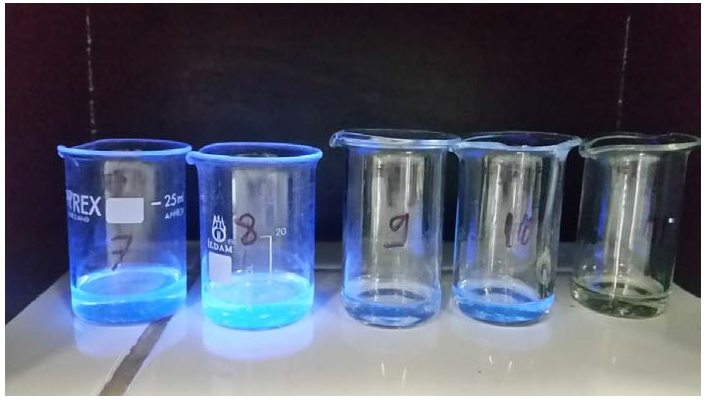
Figure 2. Fluorescence of pyrolodiazine derivatives in UV lamp light (λ = 256 nm)
It is the fluorescence emission of the fully aromatized compounds such as 7 – 10 that justifies the interest in synthesizing pyrrolodiazines. However, for most of the anticipated applications, including their use as fluorescent markers, choosing a feasible derivatization reaction is important in order to incorporate them into biological macromolecules (steroids, peptides, proteins and DNA). Hence, taking into account that the carbonyl group can be easily halogenated in α position, and that the resulting derivatives should present an enhanced reactivity, we decided in the next step to investigate the bromination reaction of pyrrolodiazine, 7 – 10, Scheme 2. The procedure chosen consist in the bromination in heterogeneous catalysis using copper (II) bromide in chloroform/ethyl acetate. This reaction system is highly regioselective, leading to α-bromo-derivatives in good yields, but less selective regarding to the resulting mono- or dibrominated product. Using this procedure, we performed the bromination of compounds 7 – 10 with copper (II) bromide, both under conventional TH, and MW irradiation in order to study the reaction selectivity. In the table 3 are listed the optimized conditions we employed.
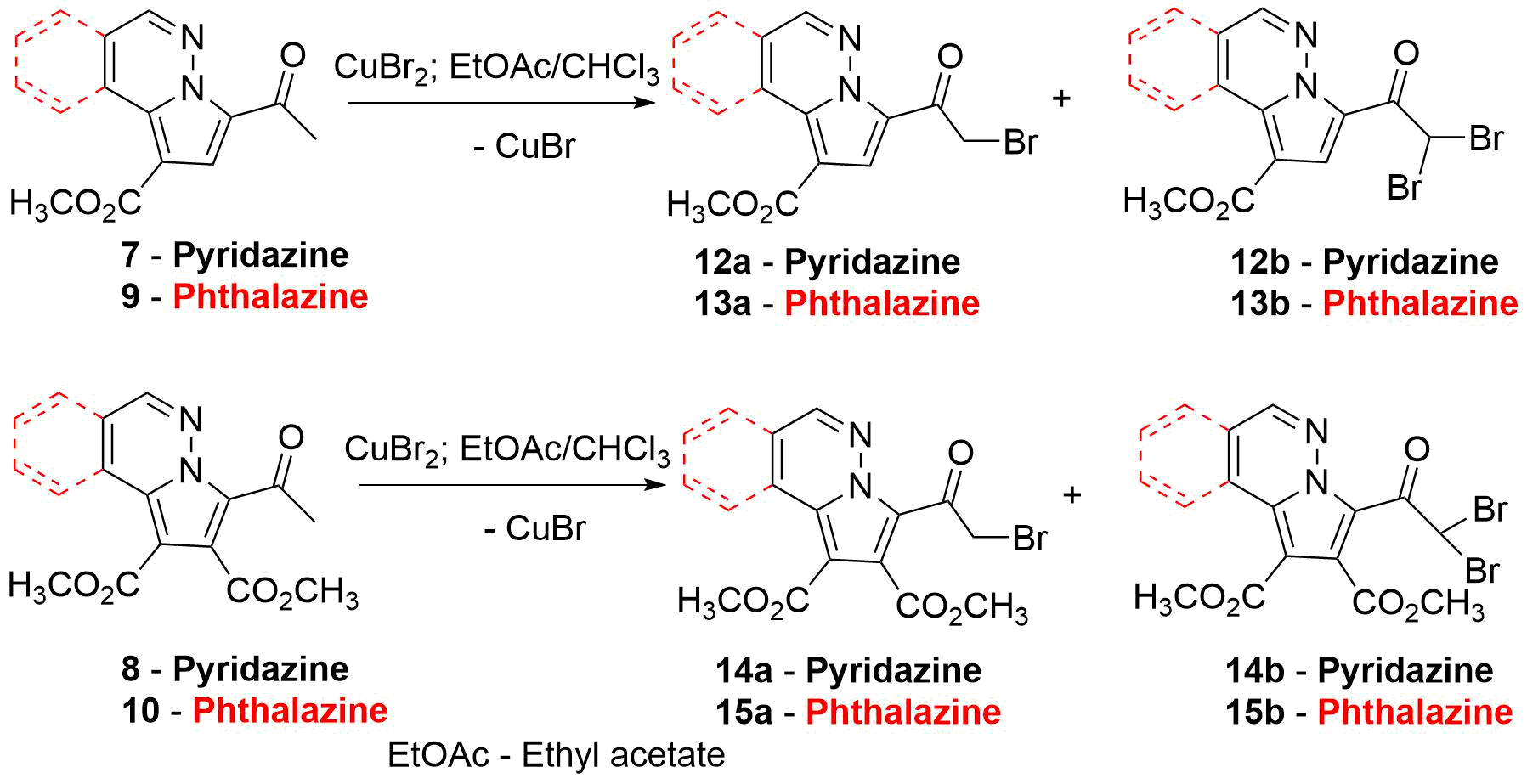
Scheme 2. The α-bromination reaction of cycloadducts, 7 – 10.
Table 3. Synthesis of α-brominated pyrrolodiazine, under MW and TH conditions.
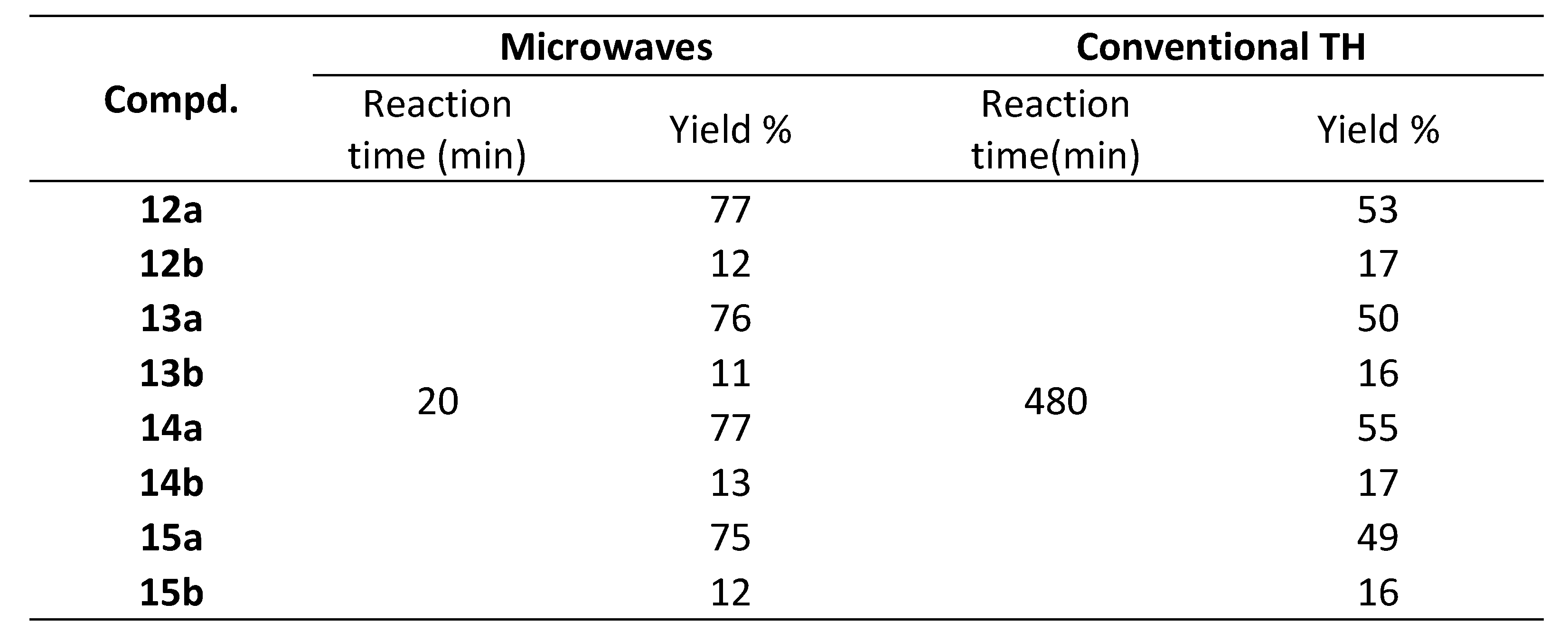
As shown in Table 3, the microwave assisted bromination of pyrrolodiazine derivatives 7-10 occurred with the expected regioselectivity (only in α-position) and with increased selectivity regarding to monobrominated compound. The ratio between mono and dibrominated compounds was around 3:1 under thermal heating, and 6:1 under unconventional heating. The yields were moderate under conventional TH and good under MW irradiation, a significant increasing of yields being observed (with an average of 15-20%).
The structures of all new compounds were proven unambiguously by elemental and spectral analysis (IR, 1H NMR, 13C NMR, two-dimensional experiments 2D-COSY, 2D-HETCOR (HMQC), long-range 2D-HETCOR (HMBC).
II.1. Synthesis of new azasteroids by multicomponent one-pot synthesis.
In this stage were synthesized a series of azasteroid derivatives 17 by combining the Sonogashira coupling reaction with the [3+2] dipolar cycloaddition reaction. In a first stage, benzoyl chloride / 4-methoxybenzoyl chloride and methyl propiolate to the reaction conditions of the Sonogashira coupling (in a mixture of chloroform and base, usually Et3N), and after a short period of time cycloimmonium salts were added, to obtain the appropriate cycloadducts 17. The cycloadducts derived from benzo[f]quinoline were obtained according to the literature data, using the classical heating sources.
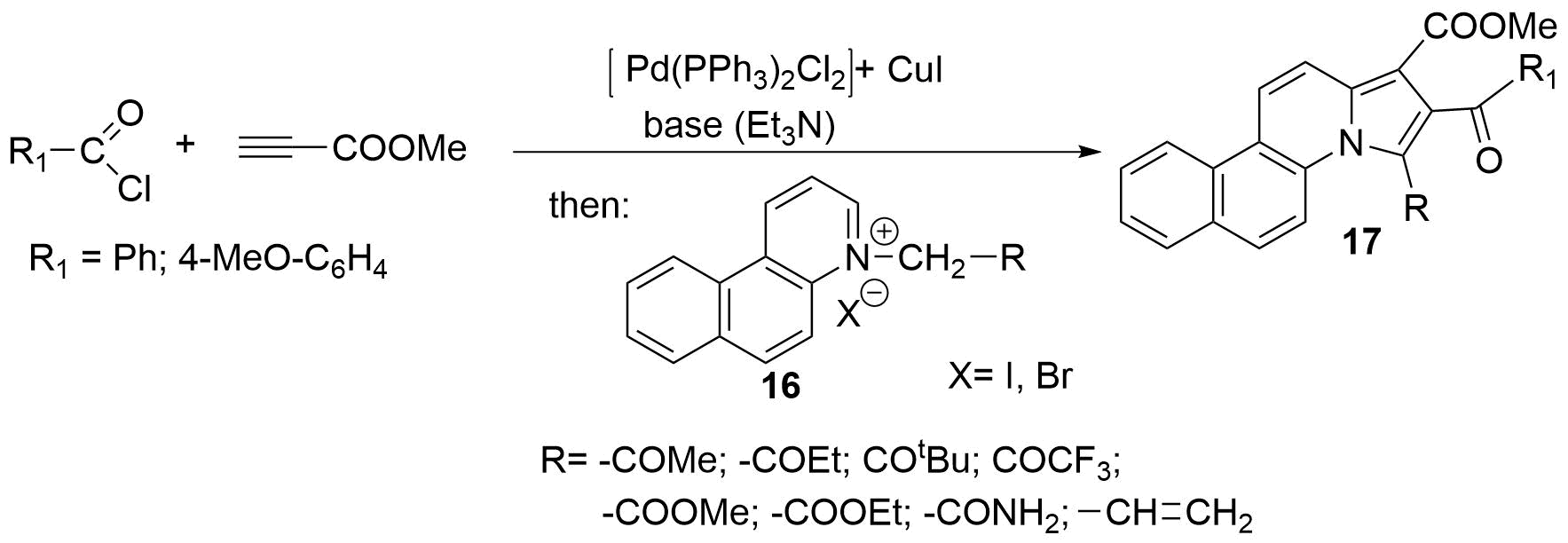
All the azasteroid derivatives were obtained, under conventional heating conditions, with good to very good yields (between 70 and 85 %).
II.2. Synthesis of new tetracyclic azasteroids using activated alkynes
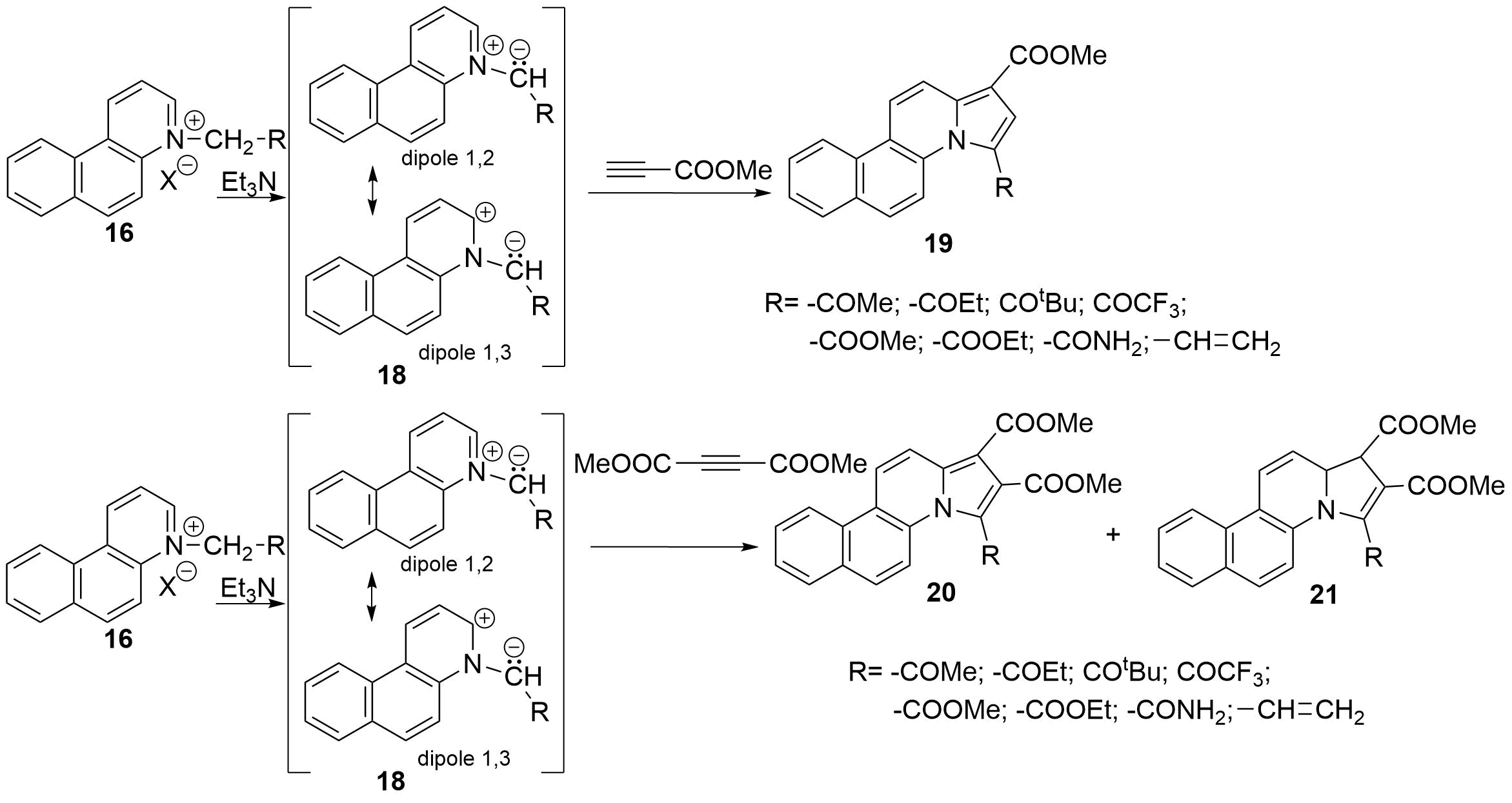
In this stage was investigated the reaction of benzo[f]quinolinium N-ylides 18 (generated in situ from the corresponding quaternary salts 16) with activated alkynes (dimethyl acetylenedicarboxylate – DMAD or methyl propiolate). Reactions were performed using classical heating methods.
In the current work, we performed the reactions in refluxing chloroform, and chloroform solution of TEA was added dropwise at the beginning of the reaction. After 12 hours of reflux the reaction was stopped and the products were isolated from the reaction mixture. In the case of benzo[f]quinolinium salts, the reaction with methyl propiolate yields the fully aromatized compounds 19, while the reaction with DMAD gives a mixture of partial and fully aromatized compounds (21 and 20 respectively).
II.3. Synthesis of cycloadducts by nonconventional methods
In order to reduce the reaction time we used an unconventional synthetic method – under microwave and ultrasound irradiation. The use of unconventional synthesis methods for these reactions had the main advantage of inducing a remarkable acceleration for reactions, the reaction times decreases dramatically, from 24 hours to 10 minutes by microwave irradiation and 30 minutes respectively by ultrasound irradiation. Also, in some cases, the yields are higher with up to 15-20%.
A new, efficient and general method for preparation of cycloadducts via [3+2] dipolar cycloaddition reactions using microwave and ultrasound irradiation was elaborated. By these procedures the reaction time decreases substantially, the yields are high and the reaction conditions are mild.
The structure of new tetra-cyclic azasteroid derivatives was proven by elemental (C, H, N) and spectral analysis. The following spectroscopic methods were used: IR, 1H NMR, 13C NMR and two-dimensional experiments 2D-COSY, 2D-HETCOR (HMQC), long range 2D-HETCOR (HMBC). All the elemental and spectral data are in accordance with the proposed structure.
II.4. Synthesis of new tetracyclic azasteroids using ethyl cyanoformate
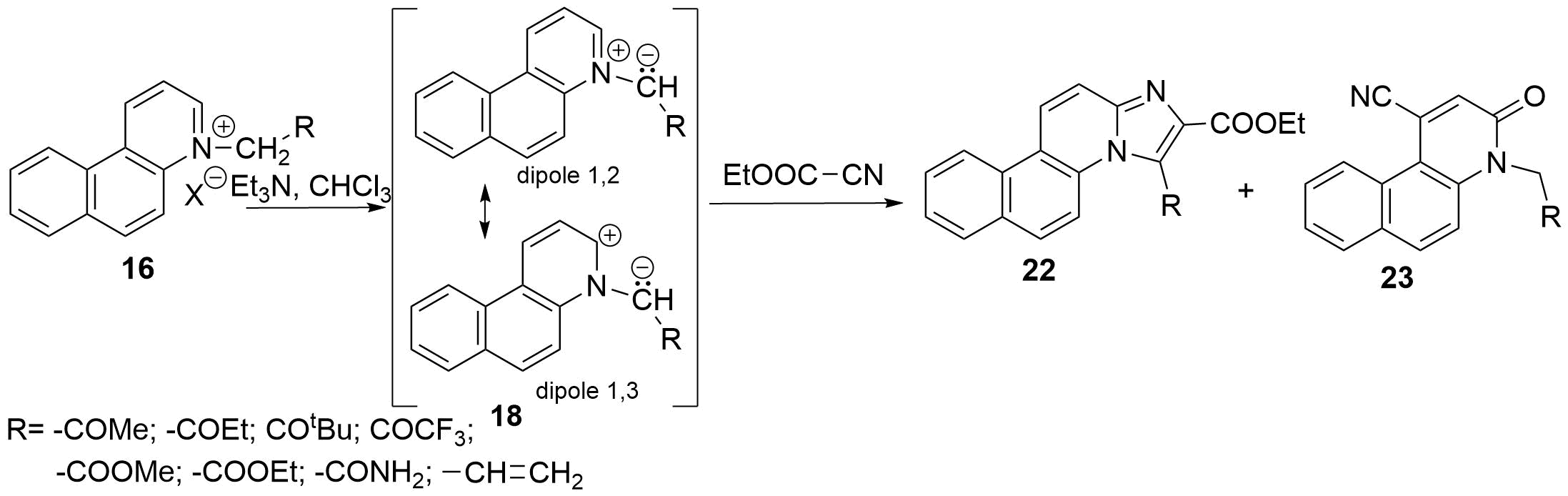
The preparation of all tetracyclic azasteroid derivatives, 22, occurs by a [3+2] dipolar cycloaddition of diazinium ylides 18 (generated in situ in the presence of triehtylamine – TEA) from the corresponding salts to the ethyl cyanoformate. As expected, we obtain a mixture of cycloadducts 22 and 4-cyano substituted derivatives 23.
II.5. Testing the fluorescent properties of the newly synthesized compounds.
All fully aromatized azasteroid derivatives are moderate blue emitters. It is the fluorescence emission of the fully aromatized compounds justifies the interest in synthesizing of these azasteroid derivatives. The detailed results will be presented after publication in specialized journals.
II.6. Biologically active evaluation of the newly obtained compounds.
The sensitivity of microorganisms to azasteroid derivatives was tested “in vitro”, putting them under optimal and standardized cultivation conditions (culture medium, inoculum, incubation time, etc.) in the presence of established quantities of the tested compounds. The Kirby-Bauer technique adopted by the NCCLS (National Committee for Clinical Laboratory Standards) from USA is widely used in most countries. The reference microbial cultures were bacteria (Staphylococcus aureus ATCC 25923, Escherichia coli ATCC 25922) and fungus (Candida albicans ATCC 10231).
Table 4. Testing of the antimicrobial activity of the synthesized compounds
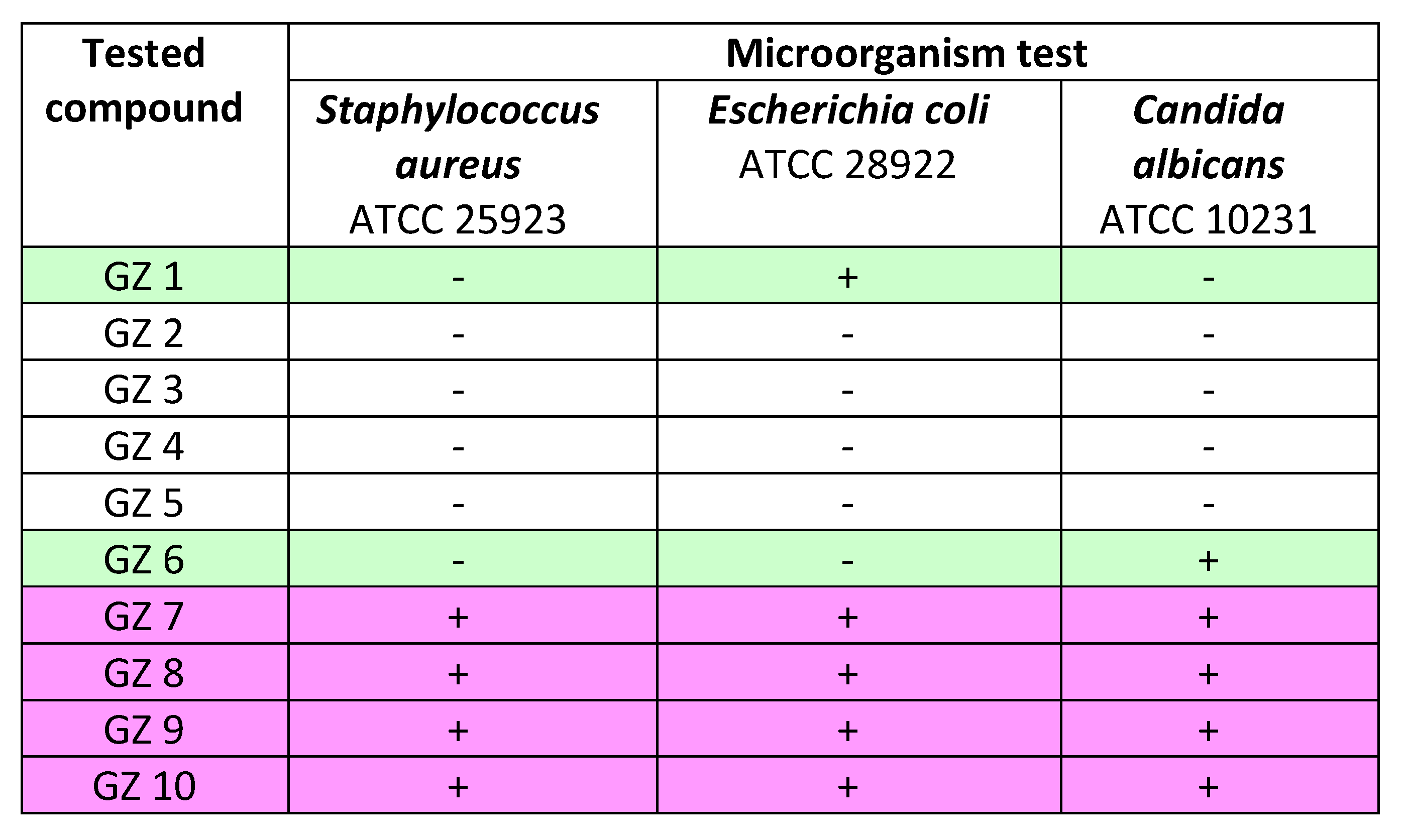
Of the 10 compounds tested, 4 compounds (GZ 2, GZ 3, GZ 4, GZ 5) have no antimicrobial activity, 2 compounds (GZ 1, GZ 6) show activity against a single test microorganism (Escherichia coli, respectively Candida albicans), during compounds GZ 7, GZ 8, GZ 9 and GZ 10, inhibit the growth and development of the three test microorganisms. Compounds GZ 8 and GZ 9 have shown strong antifungal activity.
The detailed results will be presented after publication in specialized journals.
The final report of this stage was published on the web site of the project.
II.7. A part of the obtained results were organized to be published in journals and presented on a series of national and international conferences as following:
One paper published:
- Moldoveanu, C.; Amariucai-Mantu, D.; Mangalagiu, V.; Antoci, V.; Maftei D.; Mangalagiu, I.I.; Zbancioc, G.: Microwave Assisted Reactions of Fluorescent Pyrrolodiazine Building Blocks, Molecules, 24(20), 3760, 2019. DOI: 10.3390/molecules24203760. (Impact Factor 3.060)
6 papers presented on national and international conferences:
- Zbancioc, Ghe.; Moldoveanu, C.; Ciobanu, C.; Antoci, V.; Mangalagiu, V.; Amăriucăi-Mantu, D.; Mangalagiu, I.I.: Microwave assisted reactions of pyrrolodiazine compounds as potential fluorescent biological markers, IasiCHEM 2019, 3rd Edition, Faculty of Chemistry Conference, 31 October-1 November, 2019, Iasi, Romania (Oral Communication OC-04, pag.10).
- Antoci, V.; Amăriucăi-Mantu, D.; Mangalagiu, V.; Cucu (Diaconu), D.; Ciobanu, C.; Zbancioc, Ghe.; Mangalagiu, I.I.: Newly vinyl-pyrrolo-phthalazine/pyridazine cycloadducts and their polymeric materials, IasiCHEM 2019, 3rd Edition, Faculty of Chemistry Conference, 31 October-1 November, 2019, Iasi, Romania (poster PI-17, pag. 32).
- Moldoveanu, C.; Mangalagiu, V.; Zbancioc, Ghe.; Amăriucăi-Mantu, D.; Antoci, V.; Cucu (Diaconu), D.; Mangalagiu, I.I.: New insights on the 1,3-dipolar cycloaddition of benzimidazolium ylides, IasiCHEM 2019, 3rd Edition, Faculty of Chemistry Conference, 31 October-1 November, 2019, Iasi, Romania (poster PII-18, pag. 58).
- Antoci, V.; Amariucai-Mantu, D.; Cucu, D.; Mangalagiu, V.; Loiseau, P. M.; Cojean, S.; Ciobanu, C.; Zbancioc, Ghe.; Mangalagiu, I.I.: New PyrroloBenzoQuinonePhthalazines and PyrroloBenzoQuinonePyridazines: Synthesis, Structure and Anti-leishmaniasis Activity, 21th Romanian International Conference on Chemistry and Chemical Engineering, RICCCE 21, 4-7 Septembrie, 2019, Constanţa-Mamaia, România, S1 – 051, (oral presentation).
- Zbancioc, G.; Moldoveanu, C.; Zbancioc, A.M.; Tataringa, G.; Mangalagiu, I.I.: New azasteroid compounds: synthesis and spectral analysis. 13th International Conference on Heteroatom Chemistry (ICHAC), 30 June – 5 July, 2019, Prague, Czech Republic. PP41 (Poster presentation).
- Moldoveanu, C.; Zbancioc, G.; Amariucai-Mantu, D.; Mangalagiu, V.; Antoci, V.; Mangalagiu, I.I.: New blue fluorescent benzofuran derivatives. 13th International Conference on Heteroatom Chemistry (ICHAC), 30 June – 5 July, 2019, Prague, Czech Republic. PP34 (Poster presentation).
From the above it follows that all the objectives proposed for this stage were fulfilled in a proportion of 100%.
Project manager,
Associate professor PhD Gheorghita Zbancioc